Research

Transcription initiation

Regulation and evolution of transcription initiation

The DNA sequence of a gene needs to be copied into mRNA molecules to carry out its function, a process called transcription. Cells are highly selective in where they initiate transcription. The mechanism that locates transcription starting positions is shared by most eukaryotic organisms, including humans, plants, and fungi, while distinct modes of transcription initiation have evolved in several fungal species, including baker’s yeast. The main research focus of my lab is to better understand the mechanisms of transcription initiation, and to investigate how the conserved mechanisms have diverged in yeasts.

More information about this topics can be found from the following publications: Lu and Lin (2019), Lu and Lin (2021), Zhang et al. (2021), and Zhan et al. (2025).
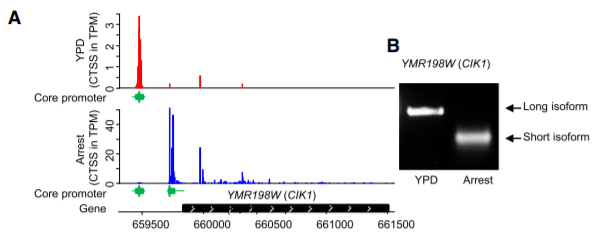
Core promoter shift example
Databases and software development

TSSr, TSShub and YeasTSS

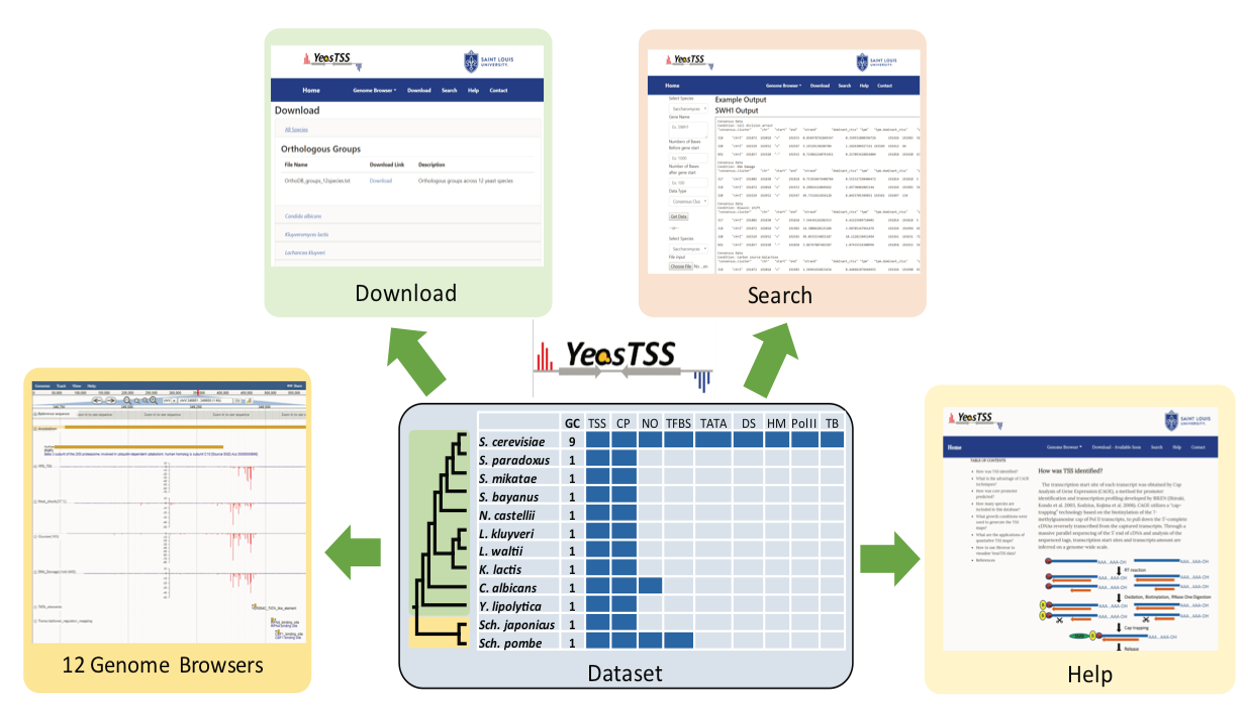
Our lab also devotes our efforts to facilitate research related to transcription initiation by generating research infrastructure, including bioinformatics software and public databases. We have published TSSr (Lu et al. (2021)), an R/Bioconductor package designed for the comprehensive analysis of high-throughput 5'-end RNA sequencing data. We also constructed TSS visualization databases, TSSHub and YeasTSS (McMillan et al. (2019)), which integrates over 1000 tracks of functional genomics data related to transcription regulation in over 100 eukaryotic species.

YeasTSS database screenshot
Evolutionary Genomics

Genome assembly and evolution of genomes

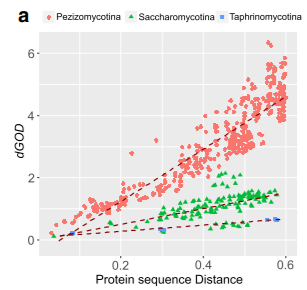
An organism’s genome contains the complete set of its genetic information. Changes in genome sequence and structure provide raw genetic materials for functional innovation and evolutionary divergence. Our lab also works on genome assemblies (such as Gardner et al. (2024) and Chen et al. (2026)), and studies of evolutionary patterns and mechanisms of genomic sequences, gene content, and genome structures through comparative analyses across lineages ( Rajeh et al. (2018)).

Genome evolution study figure
Evolutionary Genomics

Duplications and divergence of gene families

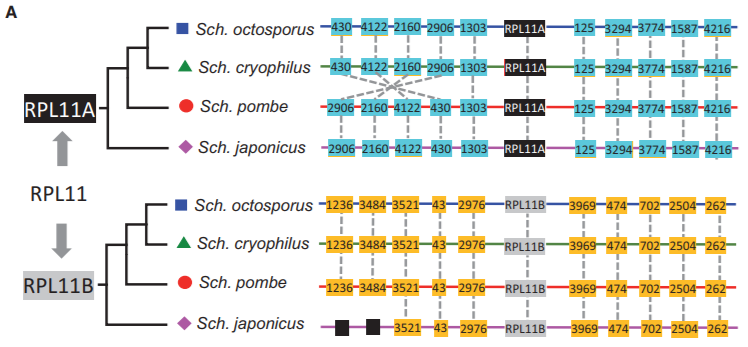
Ribosomal protein genes encode structural components of ribosomes, the cellular machinery for protein synthesis. Our work has investigated independent duplications of ribosomal protein genes and the evolutionary forces shaping paralogous gene families (Mullis et al. (2020)).

Ribosomal protein gene evolution figure

Support

Our research has been supported by the National Science Foundation, Amazon Web Services and Saint Louis University.

National Science Foundation Saint Louis University Webster Groves Nature Study Society